
Hypoallergenic Earrings
Hypoallergenic Stud Earrings That Don’t Cause Itching, Redness, or Infection
Jan
Have you ever put on earrings and then spent the rest of the day fighting the urge to scratch your ears, checking the mirror for redness, and wondering if you should take them out? You are not overreacting. Many people deal with irritation because the wrong metal sits against a sensitive piercing channel for hours.
The good news is that the fix is not complicated. Hypoallergenic stud earrings can reduce flare-ups when you choose the right materials, the right backs, and the right fit.
Why Earrings Often Cause Itching, Redness, or Infection
Most ear trouble starts with one of these problems.
1) Metal sensitivity
Low-cost earrings often use mixed alloys. Some contain nickel or trace metals that trigger contact dermatitis. Your skin reacts first, then the area swells, then the piercing site turns hot and angry.
2) Friction and pressure
A stud that sits too tight pinches tissue. A post that is too short rubs the piercing channel. That constant rubbing can turn mild irritation into raw skin.
3) Moisture and buildup
Warmth, sweat, hair product, and makeup collect around the post and back. That mix can irritate skin and feed bacteria. People call it an “infection,” but the first issue can still be inflammation from irritation.
4) Poor plating
Some earrings rely on a thin coating that wears off. Once the base metal touches your skin, the reaction returns.
If you fix the cause, you usually stop the cycle. You do not need ten products. You need smart choices.
What Hypoallergenic Stud Earrings Are and How They Work
When you choose earrings for sensitive ears, you should focus on the parts that touch skin, not the front design.
- The post matters most. The post sits inside the piercing channel. If it irritates your skin, nothing else saves you.
- The back matters almost as much. A rough, tight, or low-grade back can trigger the same reaction.
- The surface finish matters. Smooth metal reduces micro-scratches and friction.
Think of it like skincare. Your skin tolerates gentle ingredients and reacts to harsh ones. The same logic applies to jewelry metals. When we build sensitive-ear options, we focus on consistent skin-contact materials first, then style.
How Hypoallergenic Stud Earrings Help Prevent Ear Infections
You cannot “guarantee” infection prevention with jewelry alone. Still, the right earrings can lower common triggers that push an irritated piercing into a bigger issue.
Here is the practical chain:
- A reactive metal causes itching
- You touch and twist the earring
- You break the skin barrier
- Bacteria enters a stressed area
When you wear non-reactive materials, you reduce itching. When you reduce itching, you touch the area less. That alone helps.
Use this one rule: If your ears feel calm, you protect the skin barrier. A calm piercing heals better and stays clean with less effort.
Best Materials Used in Hypoallergenic Stud Earrings
Material choice decides most outcomes. You do not need hype. You need metals that your body tolerates.
Top options people with sensitive ears tend to handle well:
- Surgical stainless steel for stable, skin-friendly wear
- Titanium for high sensitivity cases
- Niobium for people who react often
- 14K or 18K gold if it is solid and well-made
Mayo Clinic and other medical resources recommend hypoallergenic jewelry such as surgical stainless steel, titanium, niobium, and 14K or 18K gold because these metals carry a lower risk of allergic reaction.
One more detail people miss: avoid mystery metals. If a listing does not state the post material clearly, you take a risk.
Who Should Wear Earrings Made for Sensitive Ears
If any of these sound like you, you should treat materials as a priority, not a bonus.
- You itch within an hour of wearing earrings
- Your ears swell or turn red after wearing studs
- You stopped wearing earrings because “nothing works.”
- You have eczema, dermatitis, or known metal allergies
- Your child reacts to most costume jewelry
- You wear earrings all day for work and need comfort
Some people also react after pregnancy or during hormone shifts. Skin changes. Your tolerance can change, too.
How to Choose Earrings for Sensitive Ears
This is where most buyers make or break the experience. You want a checklist you can follow every time.
Look at the post length and thickness
- Too short causes pressure and rubbing.
- Too long moves and drags.
- A standard post often works, but comfort decides.
Choose a back that breathes
A tight back traps moisture. A rough back scratches skin. Look for secure backs with smooth edges.
Pick a finish that stays stable
A strong plating over a safe base metal can work. Cheap plating flakes. Flaking exposes base metal, then reactions return.
| What you need | Best choice to start | Why it helps | Watch out for |
| Frequent itching with most earrings | Titanium or surgical stainless steel | High tolerance metals for many people | Unlabeled alloys |
| You want gold look without irritation | Gold finish over surgical steel | Keeps skin-contact metal stable | Thin plating from unknown brands |
| Child needs safe everyday studs | Surgical stainless steel with secure backs | Comfort and reduced irritation | Loose backs and sharp edges |
| You wear earrings all day | Lightweight studs with smooth posts | Less pressure and friction | Oversized fronts that pull |
One more note from us: when we curate sensitive-ear options, we check the post and back first, then design. That order saves customers from repeat reactions.
Why People Trust Sensitively Yours for Hypoallergenic Stud Earrings
We built our store around one simple reality: plenty of people love earrings, but their ears reject most of what the market sells. So we focus on skin-safe materials, comfort, and easy daily wear.
What matters to customers
- Surgical stainless steel bases for both the earring and the backs, not just the front design
- Gold styles plated in pure 24K gold, including skin-contact parts
- Posts sized for daily comfort, plus a lifetime guarantee against reactions
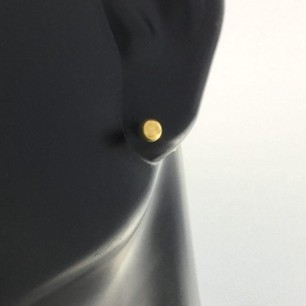
3mm Gold Ball Earrings (JA113)
A simple everyday stud built on surgical stainless steel with a thick 24K gold layer, popular for newly pierced ears and long wear.
Gold Plated 5MM April Crystal 4-Prong Stud Earrings (S784STX)

A crystal option with a blunt notched post for comfort, plus surgical stainless steel base and gold plating, including matching backs.
Gift Box of 5 Children’s Gold Earrings (GB007)

A ready set of five kid-friendly gold styles, backed by our lifetime guarantee, made for quick gifting and easy rotation.
Common Myths People Believe About Sensitive-Ear Earrings
Myth 1: “If it says gold, it must be safe.”
Some “gold” earrings use plating over reactive base metals. Your skin contacts the post, not the marketing.
Myth 2: “Nickel-free means reaction-free.”
Nickel-free can still include other irritants. You want high-quality, stable metals with clear specs.
Myth 3: “Redness means infection every time.”
Redness can come from pressure, friction, or allergy. Infection usually brings heat, pain, swelling, and discharge that worsens.
Myth 4: “My ears will get used to it.”
Many allergies get worse with repeat exposure. Your body learns what to reject.
Care Tips to Keep Sensitive-Ear Studs Safe and Comfortable
Even with safe materials, care keeps your ears calm.
- Clean posts and backs with mild soap and water, then dry fully
- Remove earrings before heavy sweat sessions if your ears flare up
- Avoid hair spray and perfume near the piercing
- Do not sleep in studs if you wake up sore or swollen
- Store earrings dry so bacteria does not build up
We also tell customers this: if your ears feel irritated, take the earrings out, clean them, and let skin settle. That small reset prevents bigger problems.
Final Thoughts
You should not accept itching, redness, or recurring irritation as “normal.” You can fix most issues by choosing stable, skin-friendly materials, the right backs, and a fit that does not pinch.
If you want a safer daily option that still looks polished, start with hypoallergenic stud earrings designed for sensitive ears and backed by a brand that takes materials seriously. Order your next pair with us at Sensitively yours.
FAQs
1) Can I wear sensitive-ear studs in a second piercing hole?
Yes. Second holes react too. Use the same material rules, and avoid tight backs that press the upper lobe.
2) Are screw backs better for sensitive ears?
They can help if they fit well. If they pinch, they cause pressure. Comfort decides, not the back style.
3) How do I know if my plating is wearing off?
Check for dull spots, discoloration, or rough texture on the post. If the post changes, stop wearing it.
4) Can I wear studs during medical scans like MRI?
Ask the facility. Many require jewelry removal. Do not assume any metal is MRI-safe without guidance.
5) Do butterfly backs trap bacteria more than other backs?
They can trap moisture if worn too tight. Clean them often and give your ears breaks if buildup appears.
